
Have you ever been to an event or campaign that made you feel like the brand understood you? That’s the power of experiential marketing.
Instead of simply talking about products, experiential marketing creates opportunities for your audience to experience your brand in action. And those experiences last longer than any ad you run on Google or Facebook.
The data backs this up. According to an EventTrack report, over 90% of consumers say they feel more positive about a brand after participating in experiences and events. Even more impressive, 85% of people are likely to purchase after attending an event or participating in an experiential campaign.
That’s not hype. It’s proof that experiences build trust, loyalty, and revenue.
If you’re competing in a crowded market, this is how you stand out. Traditional ads are easy to scroll past, but people remember how a brand made them feel. Experiential marketing taps into that emotion and builds stronger, long-lasting relationships.
Let’s delve deep into what this type of marketing is, why it works, the key elements that make it successful, and mistakes you should avoid.
Table of Contents
- What is Experiential Marketing?
- 3 Elements of Great Experiential Marketing
- 10 Reasons Why Your Business Should Do Experiential Marketing
- Examples of Experiential Marketing
- Common Mistakes to Avoid with Grassroots Marketing
- How to Create an Effective Experiential Marketing Campaign
- Build a Surefire Engagement Campaign by Outsourcing
- FAQs
What is Experiential Marketing?
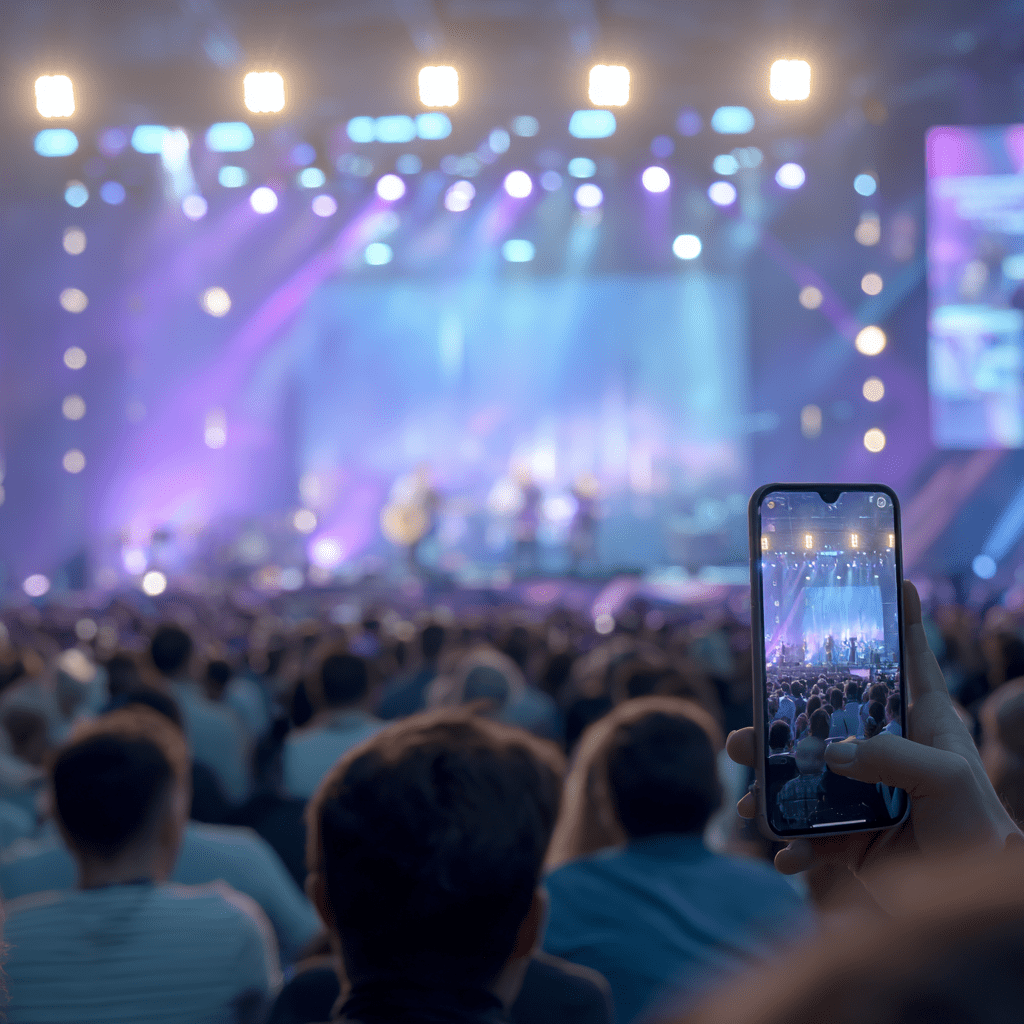
Experiential marketing is a strategy that creates immersive, hands-on, or emotional experiences for customers. The goal is to get people to engage with a brand in a memorable way.
It’s also known as grassroots marketing, engagement marketing, live marketing, or experiential brand marketing. Instead of using traditional tactics like television ads or billboards, it focuses on real-world interaction.
You’d be creating a two-way conversation between the brand and the consumer. This can happen through a pop-up shop, an interactive art installation, a live event, or even a virtual reality experience. The key is that the experience itself becomes the marketing.
3 Elements of Great Experiential Marketing
What makes this type of marketing campaign a home run? It’s not just throwing a party. The best campaigns have a few key elements in common:
The Best Campaigns are Memorable and Shareable
The number one goal of experiential marketing is to create a lasting memory. The best campaigns are so cool, so unique, or so surprising that people want to talk about them.
This leads to organic sharing on social media, which acts as free advertising and expands your reach.
The Best Campaigns are Emotional
People connect with brands on an emotional level. Great experiential campaigns tap into this by making people feel something.
Whether it is excitement, joy, or a sense of community, a strong emotional connection makes the experience more meaningful and the brand more relatable.
The Best Campaigns are Interactive
Passive experiences are boring. The best campaigns get people involved. They invite them to touch, play, create, or solve a problem. This hands-on approach makes the customer an active participant in the story, not just a passive observer.
10 Reasons Why Your Business Should Do Experiential Marketing
You might be thinking this all sounds great, but is it really worth the effort? Here are ten powerful reasons why your business should invest in experiential marketing:

1. It Builds Stronger Brand Connections
Harvard Business School professor Gerald Zaltman revealed that 95% of purchasing decisions are made subconsciously. That means buying something can be influenced by our emotions.
Experiential marketing allows you to build a deeper, more personal connection with your customers. It gives them a chance to interact with your brand in a meaningful way, which helps them feel like they are part of a community.
2. It Creates a Buzz and Drives Word-of-Mouth
When you create a truly memorable event, people are going to talk about it. They will tell their friends, share photos on social media, and post about it in online forums.
This organic word-of-mouth is more powerful than any paid advertising because it comes from a trusted source.
3. It Boosts Customer Loyalty and Advocacy
Loyalty is not something you can buy. When you give your customers an incredible experience, they feel valued and appreciated. It builds a sense of loyalty and encourages them to become brand advocates who will defend and promote your brand to others.
4. It Generates High-Quality Leads
With an experiential campaign, you’re getting people to show up. But most importantly, you also want to attract the right people.
Because these events are so targeted, they tend to attract a highly engaged audience who are genuinely interested in what you have to offer. This results in higher-quality leads that are more likely to convert.
5. It Provides a Wealth of User-Generated Content
When you create an engaging experience, your customers will do the content creation for you. They will share photos, videos, and stories about your event on their own social media channels.
This user-generated content is a goldmine for your marketing efforts, providing authentic testimonials and social proof.

6. It Helps You Stand Out From the Competition
While your competitors are all running the same old banner ads, you can create something truly unique and unforgettable. Your business could break through the noise and capture the attention of your target audience in a way that traditional marketing simply cannot.
7. It Allows You to Collect Valuable Data
During an event, you can collect a ton of valuable data. You can learn about your customers’ interests, their pain points, and how they interact with your brand.
This information is invaluable for improving your product, refining your marketing strategy, and building a more effective business.
8. It Creates a Stronger Brand Narrative
Every brand has a story. Experiential marketing allows you to bring that story to life in a way that’s more engaging than any ad. You’d have a chance to show your customers who you are, what you stand for, and why they should care about your mission.
9. It Gives You a Competitive Edge
Businesses that invest in experiences are seen as innovative and forward-thinking. This gives you a serious competitive advantage over brands that are still stuck in the past.
It also shows your audience that you are not afraid to be creative and that you are willing to go the extra mile to connect with them.
10. It Is More Memorable Than Traditional Advertising
Think about the last time you saw a print ad. You probably don’t remember it. Now, think about the last great concert you went to or the last time you tried something for the first time.
You remember those things because they were an experience. Experiential marketing taps into this power of memory to build a brand that people will not forget.
Examples of Experiential Marketing
There are real-world examples of brands that have used live marketing to achieve incredible results:
Red Bull
Red Bull is a master of this. Instead of just advertising their energy drink, they put on events like the Red Bull Stratos jump, where a man jumped from the edge of space.
The event was not about the drink itself, but it was still on-brand because they expressed the feeling of pushing the limits and achieving the impossible.
The campaign created a global buzz and reinforced the brand’s association with extreme sports and adventure.
Coca-Cola
Coca-Cola’s ‘Happiness Machine’ campaign was a simple but effective example. They placed a vending machine in a college cafeteria that dispensed not only a Coke but also things like pizza, flowers, and sunglasses.
They were able to use the footage of the people who used it, their reactions being the main point of the promotion itself.
The experience was a surprising and joyful moment that people wanted to share, reinforcing the brand’s message of happiness.

Common Mistakes to Avoid with Grassroots Marketing
Grassroots marketing can be highly effective, but it’s also easy to make mistakes. Here are some of the most common ones to avoid:
- Not Defining Your Goal. Are you trying to generate leads? Increase brand awareness? Drive sales? If you do not have a clear objective, you will not be able to measure your success.
- Ignoring Your Audience. The most successful campaigns are built for their target audience. Do you know where your customers hang out? What are their interests? What do they care about? If you don’t have a deep understanding of your audience, your campaign will fall flat.
- Overlooking the Details. From the music you play to the lighting you use, every detail should be carefully considered to create a cohesive and engaging experience.
- Failing to Measure Your Success. Before you launch, you should decide how you are going to measure success. Will you track social media mentions, use a unique hashtag, or measure sales leads?
How to Create an Effective Experiential Marketing Campaign
Ready to get started? Here is a step-by-step guide to creating your own effective engagement marketing campaign:
- Step 1: Define Your Goal and Your Audience. What do you want to achieve with this campaign? Who are you trying to reach? Your answers will guide every other decision you make.
- Step 2: Choose Your Experience Type. You could do a pop-up, a live event, an interactive art installation, or a virtual reality experience. The key is to choose an experience that aligns with your brand and your audience.
- Step 3: Develop a Creative Concept. Brainstorm ideas for an experience that’s unique, memorable, and shareable. Think about how you can create an emotional connection with your audience and get them to interact with your brand in a hands-on way.
- Step 4: Plan and Execute Your Campaign. Once you have your idea, you need to plan every detail. This includes everything from finding a location and getting permits to designing the experience and creating a promotion plan. You should have a clear timeline and a budget to ensure everything goes smoothly.
Build a Surefire Engagement Campaign by Outsourcing

Designing and executing a successful experiential marketing campaign is a lot of work. You have to handle everything from creative concepts to logistics and on-site management.
For many businesses, it’s simply not practical to take on that entire burden.
Outsourcing allows you to work with a team of experts who have a proven track record of creating incredible experiences.
They bring the creative ideas, the logistical know-how, and the technology to make your campaign a success. It’s the best way to ensure that your first step into live marketing is a powerful one.
FAQs
What is the difference between event marketing and experiential marketing?
Event marketing is a broad term that includes any event, like a trade show or a conference.
Experiential marketing is a more specific type of event marketing that focuses on creating a hands-on, immersive experience for the audience.
How do you measure the ROI of an experiential marketing campaign?
Measuring the ROI of grassroots marketing can be done in several ways. You can track social media engagement using a unique hashtag, measure lead generation and sales, and use a survey to get feedback from attendees.
Many campaigns also use on-site metrics to track things like foot traffic, dwell time, and interactions with different parts of the experience.
Is experiential marketing only for large brands?
No, not at all. While large brands have the budgets for massive campaigns, many small and medium-sized businesses can use engagement marketing to great effect.
You can start small with a pop-up shop at a local market, a simple demo at a trade show, or a small interactive display. The key is to focus on creating an authentic, memorable experience that connects with your audience.

Dom Procter is a 30-year tech veteran and outsourcing specialist, and the driving force behind Outsourced Staff and Conversational AI. He’s obsessed with one thing: helping businesses grow smarter by combining elite offshore talent with cutting-edge AI – the Hybrid AI model that’s redefining how modern teams operate.